Natural Chewing Gum and Oral Health: What the Science Shows
Plant-based alternatives are reshaping how people think about gum—and what dentists recommend.

Chewing gum has occupied an odd space in wellness conversations—condemned by dentists for decades, yet quietly endorsed by researchers studying saliva and cavity prevention.
Natural gum formulations challenge the old narrative. Without artificial sweeteners or synthetic bases, these alternatives promise oral benefits while dodging chemicals many people now avoid.
The shift toward plant-derived gums reflects a broader wellness trend: scrutinizing what goes into everyday products.
Why Natural Gum Matters Now
For years, sugar-free gum occupied a gray zone—technically better than sugared varieties, but loaded with aspartame, sorbitol, or plastic-derived gum bases.
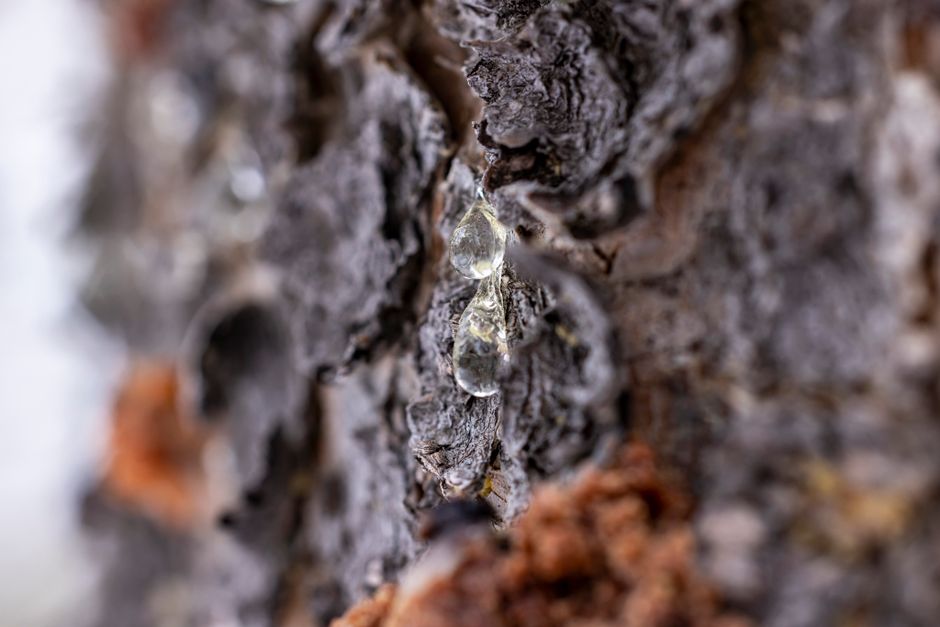
Natural gum swaps those synthetics for tree resins, chicle, or other plant sources. The base no longer breaks down into microplastics in landfills or your digestive tract.
Sweeteners shift too. Xylitol, a naturally occurring alcohol found in birch bark, replaces artificial options. The American Dental Association recognizes xylitol's role in reducing cavity-causing bacteria.
That distinction matters for people reassessing their relationship with processed ingredients.
Natural vs. Conventional Gum at a Glance
The Oral Health Question
Research shows chewing gum—particularly sugar-free varieties—can stimulate saliva flow, which buffers mouth acidity and inhibits plaque formation.
Studies in peer-reviewed journals consistently support gum with xylitol as a cavity-prevention tool when chewed after meals.
Natural gum formulations don't change that mechanism. If a plant-based gum contains xylitol or sorbitol and lacks sugar, it delivers the same saliva-boosting benefit as conventional sugar-free gum.
The advantage lies elsewhere: fewer synthetic additives and better environmental outcomes if the gum base is compostable.
Finding Genuinely Natural Options
Not all gum labeled 'natural' meets the same standard. Some brands use natural flavors but retain plastic bases; others claim plant sources while including synthetic sweeteners.
Falim Gum exemplifies a stricter approach—chicle-based, crafted without synthetic polymers or artificial sweeteners, and designed for full biodegradability.
Reading ingredient lists matters. Seek brands that specify their gum base source, avoid aspartame or acesulfame-K, and use xylitol or stevia for sweetness.
Geography also shapes availability. Brands sourcing chicle from responsibly managed Central American forests support conservation; mass-market synthetic gums sidestep that complexity entirely.
Trade-offs to Consider
Strengths
- Eliminates synthetic base polymers and artificial sweeteners
- Supports biodegradability and reduces landfill burden
- Maintains saliva-stimulation and cavity-prevention benefits
- Often sourced with stronger environmental oversight
Trade-offs
- Typically costs more per pack than mass-market gum
- Availability limited outside specialty retailers or online
- Flavor intensity may be subtler than synthetic-flavored alternatives
- Some people find plant-based bases soften or lose chew faster
Natural gum's strength is its ingredient profile, not its cavity-fighting power—that comes from xylitol presence and saliva flow, which work the same way whether the gum base is synthetic or plant-derived. The real win is reducing your exposure to polyethylene
and chemical sweeteners.
The Bigger Picture
Natural chewing gum sits at an intersection of oral health, environmental concern, and ingredient scrutiny—three pillars of 2026 wellness thinking.
It doesn't reinvent gum's role in your day. But it removes unnecessary synthetic ingredients while delivering the same saliva-boosting, plaque-reducing benefits dentists have long acknowledged.
For people rethinking everyday consumption, that shift—from petroleum-derived polymers to plant-based alternatives—signals alignment with both personal health and planetary impact.