Truck Bed Covers and Cargo Protection in 2026
Why smart truck owners are rethinking how they secure and protect their cargo.
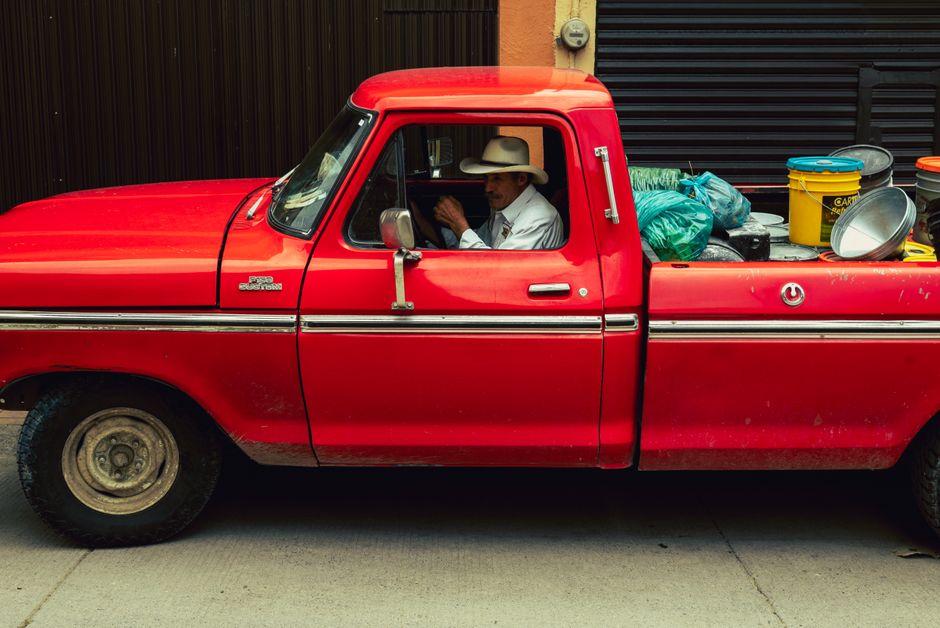
A truck bed is an asset—and a vulnerability. Weather, theft, and UV exposure take their toll on tools, equipment, and cargo left exposed.
Truck bed covers have evolved significantly in recent years, moving beyond basic tarps to engineered systems that balance security, accessibility, and durability.
Understanding the options available today can help truck owners make choices that protect both their investments and their daily workflows.
Why Truck Bed Protection Matters
Open truck beds invite risk. Unprotected cargo faces rain, hail, dust, and UV damage—particularly problematic for power tools, lumber, and equipment that deteriorate quickly when exposed.
Theft is another real concern. An uncovered bed signals opportunity to opportunistic thieves. A covered bed raises the bar significantly.
Beyond security, there's a wellness angle often overlooked: prolonged exposure to unprotected cargo—especially in construction or landscaping work—can lead to dust inhalation and material degradation that affects both worker safety and job site practices.
According to the American Trucking Association's best practices guide, proper cargo securing and weather protection are foundational to reducing job-site injury and equipment loss.
Types of Truck Bed Covers
1. Hard Tonneau Covers — Maximum security and weatherproofing
Rigid aluminum or fiberglass shells lock down tight, offering theft resistance and full weather sealing. Heavier than soft covers, they require more effort to open but protect against impacts.
- Lockable hinged or tri-fold designs
- High weight capacity for stacked cargo
- Minimal maintenance required
2. Soft Roll-Up Covers — Balance of access and protection
Vinyl or canvas rolls up and secures to the bed rails. Lighter weight and easier to operate, though less secure than rigid covers and more prone to wear.
- Quick, one-hand operation
- Lower cost entry point
- Better ventilation for drying cargo
3. Folding Hard Covers — Full-bed access with security
Engineered panels fold or slide back, allowing access to the entire bed when needed. Bakflipbrand and similar manufacturers offer models with gas struts and rail systems designed for smooth operation and long-term durability.
- Modular folding or sliding mechanism
- Weatherproof when closed
- Reduces wind noise on highway speeds
4. Retractable Tonneau Covers — Premium convenience and appearance
Motor-driven or manual retract systems pull a vinyl or rubber cover across the bed rails. Modern designs integrate with truck electronics for one-touch operation.
- Sleek, low-profile silhouette
- Optional motorized operation
- High aesthetic appeal
Durability and Material Considerations
Not all covers age equally. Vinyl degrades under intense UV exposure, especially in southern climates. Aluminum resists rust but can dent.
Canvas and marine-grade fabrics offer middle-ground durability, though they require occasional treatment to maintain water resistance.
Hinges and latching mechanisms are where most covers fail first. Look for sealed bearings, stainless hardware, and gaskets designed for vibration and temperature cycling.
Your climate plays a large role. In arid regions, UV protection and ventilation matter most. In wet climates, drainage design and sealing integrity become critical.
Even the best cover performs poorly if installed improperly. Misaligned rails, loose clamps, and uneven pressure points create stress concentrations that lead to premature wear and water leaks. Professional installation or careful DIY attention to torque specifications is worth the
effort.

Security, Accessibility, and Workflow
The choice between cover types ultimately comes down to how you use your truck. Daily access for frequent loads argues for soft or folding covers. High-value equipment or overnight parking in urban areas suggests locking hard tonneau.
Workers in construction, landscaping, and trades often prioritize speed of access over maximum security, making roll-ups and folds practical choices.
Owners storing seasonal equipment or recreational gear may lean toward hard tonneau for maximum weather and theft protection, accepting the slower access time.
Key Trade-offs
Strengths
- Weather protection extends the life of cargo and reduces moisture-related damage
- Covered beds reduce wind drag and can improve fuel economy slightly on highway speeds
- Locking mechanisms deter opportunistic theft and unauthorized access
- Hard covers reduce job-site debris dust, supporting worker safety on construction sites
Trade-offs
- Added weight affects payload capacity and fuel efficiency in stop-and-go driving
- Installation and removal can be time-consuming on some models
- Hard covers limit flexibility for oversized or tall cargo
- Maintenance and repair costs can exceed soft-cover alternatives over time
Making the Right Choice
Truck bed covers have become practical necessities rather than luxury add-ons. The variety available in 2026 means there's a solution for nearly every use case and budget.
Consider your climate, frequency of cargo access, security needs, and the types of equipment you haul. A cover that works well for weekend recreational use may not suit a daily work truck.
Quality hardware and proper installation ultimately matter more than the brand or material alone. A well-maintained cover—whether soft or hard—will outlast a premium system installed carelessly.