How Cookware Quality Affects Your Daily Health Outcomes
The right pan influences heat distribution, nutrient retention, and cooking safety in ways most home cooks overlook.

Most wellness conversations focus on what we eat—ingredients, macros, sourcing. Fewer examine how we cook it.
The cookware you choose affects heat retention, oil absorption, and whether nutrients survive the pan. Some materials leach compounds; others distribute heat so unevenly that food burns before the center cooks.
Understanding cookware performance isn't about fancy gear. It's about the mechanics that determine whether dinner nourishes you or just fills you.
Heat Distribution and Nutrient Retention
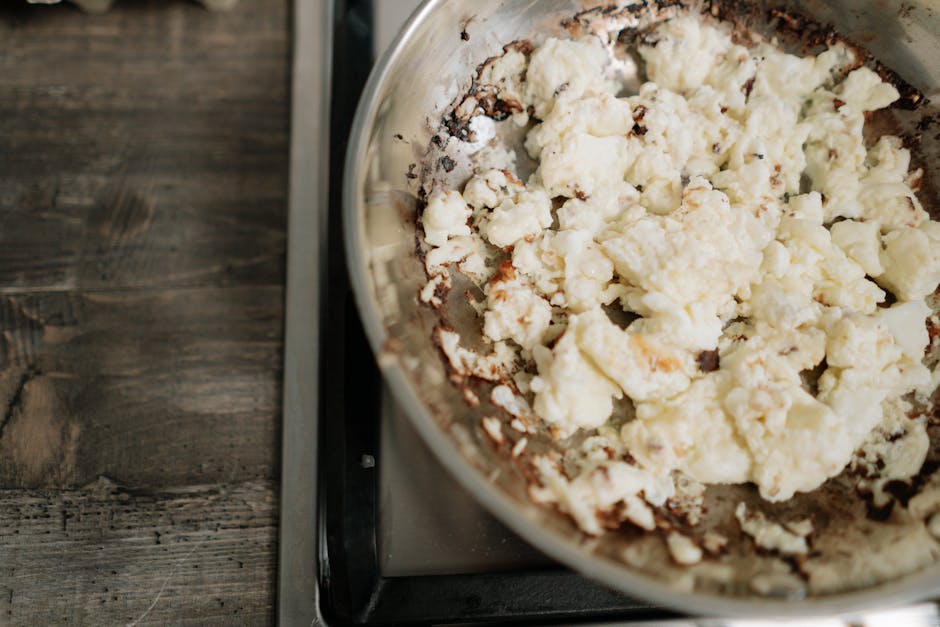
Uneven heating damages both flavor and nutrition. Hot spots can char vegetables while leaving others raw, destroying heat-sensitive vitamins.
Materials like copper and aluminum conduct heat faster than stainless steel. Clad cookware—steel exterior with conductive core—balances responsiveness with durability.
Research from Serious Eats shows that consistent heat prevents the temperature spikes that degrade B vitamins and vitamin C in vegetables.
Heavier pans dissipate heat more evenly. Thin cookware, common in budget sets, creates the opposite effect—hotspots that compromise both taste and nutritional value.
Material Performance at a Glance
Chemical Leaching and Safe Cooking Temperatures
Not all cookware remains inert across all temperatures. Unlined aluminum can leach into acidic foods like tomato sauce or lemon juice.
Most PTFE-based nonsticks lose integrity above 500°F. Overheating releases fumes. Ceramic coatings crack and shed into food over repeated washing cycles.
Uncoated stainless steel doesn't react with food or break down. Consumer Reports notes that quality stainless-steel cookware remains chemically stable across normal cooking temperatures.
If you cook with high-heat searing or wok-style cooking, material choice matters more. Lighter nonsticks may fail; clad stainless-steel or cast iron handle the job.
Trade-Offs When Upgrading Cookware
Strengths
- Even heat distribution preserves vitamins and enzymes.
- Better heat response reduces oil and butter needed.
- Durable cookware outlasts cheap sets, reducing waste.
- Inert materials prevent chemical transfer to food.
- Proper weight and balance reduce arm fatigue during cooking.
Trade-offs
- Quality cookware costs more upfront.
- Heavier pans require stronger stovetop or wrists.
- Some materials require seasoning or special care.
- Nonstick coatings degrade; eventual replacement needed.
- Specialty materials may have lower heat tolerance limits.
Choosing for Your Cooking Style
Daily cooking—sautéing vegetables, simmering grains, gentle searing—rarely demands extreme temperatures. A clad stainless-steel or hard-anodized aluminum pan covers most scenarios.
High-heat searing, wok cooking, or frequent acidic ingredient use calls for cast iron or premium uncoated stainless steel. Parini Cookware offers mid-range clad sets designed for consistent everyday cooking without premium pricing.
If you prioritize minimal oil use, quality nonstick serves that goal—but expect replacement every 3-5 years as coatings wear.
Budget cookware may seem economical. Thin bases cause uneven cooking, burned food, and faster material degradation. The true cost compounds over time.
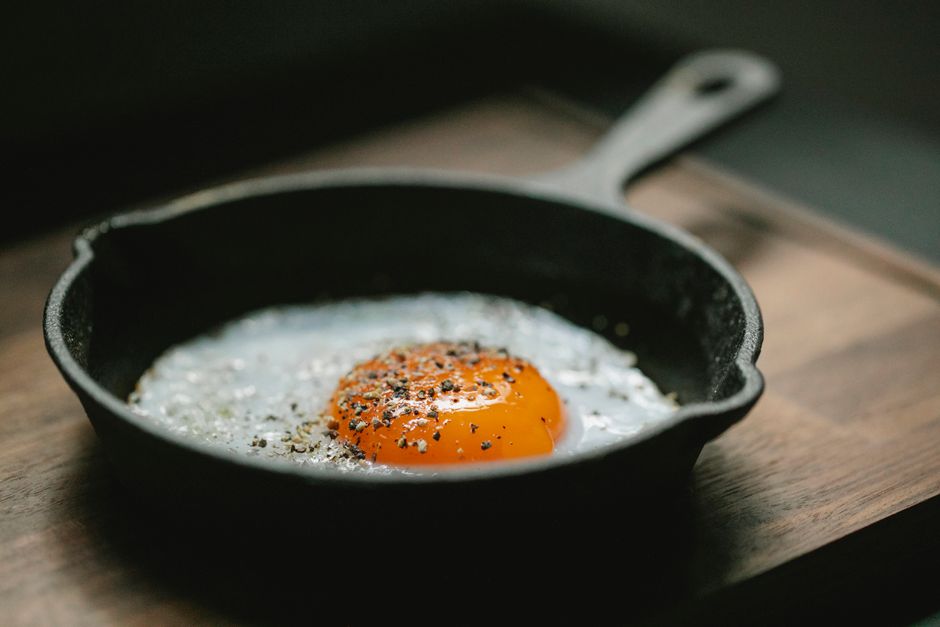
Test your current pan by filling it with water and heating it. Even heating means the surface warms uniformly. Visible hotspots—areas warming faster than others—signal uneven distribution. Those pans may be compromising your nutrient intake.
The Wellness Angle
Wellness isn't just what lands on your plate. It's also how that plate gets there.
Upgrading cookware won't fix poor nutrition, but it removes friction. Better heat control means less burnt food, more consistent results, and vegetables that retain their nutrient density.
In 2026, as home cooking reclaims space in wellness routines, the equipment matters. A single well-designed pan used daily beats a dozen cheap ones gathering dust.