Why Peanut Butter Snacks Fit Modern Wellness Routines
The protein-rich staple deserves a closer look in 2026's snacking landscape.
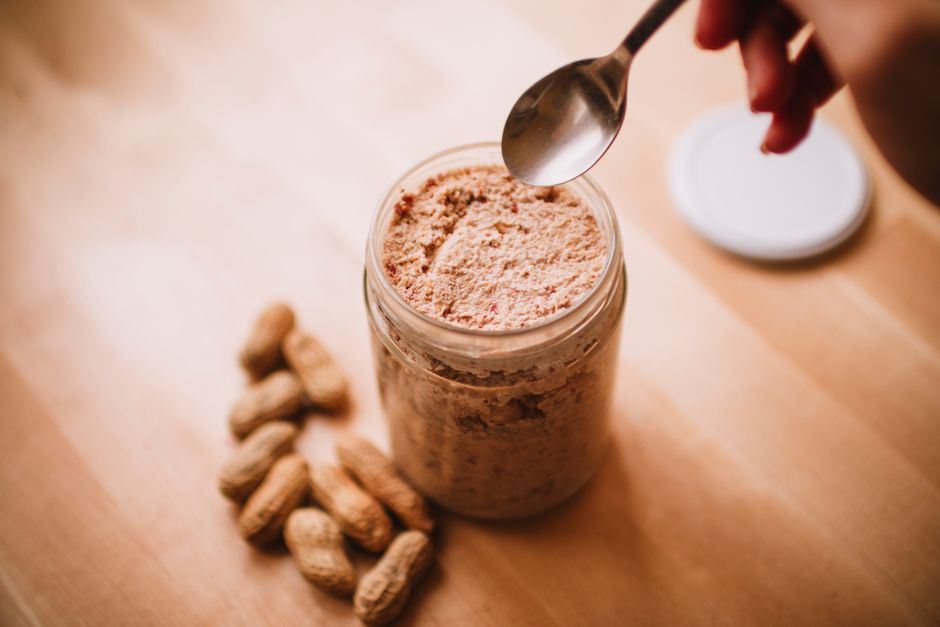
Peanut butter snacking sits at an interesting intersection in wellness culture. Once dismissed as indulgent, it's now recognized for legitimate nutritional merit—especially when chosen thoughtfully.
The resurgence reflects a broader shift: away from restriction and toward foods that deliver satiety alongside flavor.
The Protein Appeal
Two tablespoons of peanut butter deliver roughly 8 grams of protein. That density matters for afternoon hunger, post-workout recovery, and sustained energy between meals.
Protein slows digestion and steadies blood sugar—two mechanics that make snacking feel less chaotic. The science is straightforward: Nutrition Stripped documents how legume-based spreads compare favorably to many processed alternatives on macro balance alone.
Real peanut butter—the kind with minimal additives—works especially well for this reason. One ingredient (peanuts) beats a label crowded with oils and sweeteners.

Quick Nutritional Profile
Format and Pairing Matter
How you snack on peanut butter shapes its wellness value. Spooning it straight is calorie-dense and easy to overdo; pairing it with apple slices, celery, or whole-grain crackers creates a complete snack with fiber and complexity.
Some reach for packaged peanut butter cookies or bars. Nutter Butter represents a middle ground—shelf-stable convenience with recognizable ingredients. The choice depends on whether convenience outweighs the added processing for your routine.
Homemade energy balls (peanut butter, oats, dates) and yogurt parfaits offer control but demand prep time. Neither approach is inherently superior; consistency beats perfection.
The FDA's nutrition labeling standards require clear disclosure of added sugars and saturated fat. Scan those lines first when comparing products.
Common Peanut Butter Snack Forms in 2026
1. Natural peanut butter + whole food pairings — Maximum nutrient density, minimal processing
- No added oils or sugar
- Requires intentional pairing
- Higher satiety per calorie
2. Commercially formulated spread (creamy or crunchy) — Convenience and shelf stability
- Often fortified with vitamins
- Longer shelf life
- May contain added sugar or oil
3. Ready-made peanut butter snack bars or cookies — On-the-go portioning
- Pre-measured portions
- Often higher in added sugar
- Less satiating than spread + whole food
4. Powdered peanut butter (defatted) — Lower-calorie option with similar protein
- 2/3 fewer calories than regular
- Requires reconstitution
- Works in smoothies and oatmeal
The Allergy and Affordability Question
Peanut allergies are real and serious—roughly 1% of the population avoids peanuts entirely. For everyone else, accessibility is strong. Peanuts are inexpensive to grow and widely available.
Price matters in wellness. Aspirational snacks (boutique nut butters, specialty bars) alienate those on tight budgets. Peanut butter's affordability means protein density doesn't require premium spending.
The Bottom Line
Peanut butter snacks aren't trendy because they're new—they're relevant because they deliver protein, fat, and flavor in a genuinely satiating package.
Whether you reach for a spoonful with fruit, a jar at home, or a convenient packaged option, the nutritional fundamentals remain sound. Consistency and honest label reading beat dogma every time.