Why 'Biohacking' Lost Its Meaning in Wellness
The term once promised radical self-optimization. Now it's marketing noise.

Five years ago, 'biohacking' meant something. It described the practice of using science and self-experimentation to optimize your body's performance—cold water immersion, precise macronutrient tracking, genetic testing.
In 2026, the word has become so diluted it barely means anything at all. Every wellness product, supplement brand, and fitness app now claims to be a biohack.
The term's collapse reveals something worth examining: how real insights get buried under marketing language until they're worthless.
When Biohacking Actually Meant Something
The concept emerged from a genuine DIY ethos. Early adopters were tinkerers—quantified-self enthusiasts, computer scientists, and independent researchers who believed human physiology could be reverse-engineered.
They logged sleep cycles, tracked biomarkers, tested nootropics in small personal experiments. It was idiosyncratic, often unproven, but rooted in a philosophy of active self-knowledge.
The core appeal was honest: you own your biology. You can test interventions. You can measure results. No gatekeeping, no expert consensus required—just curiosity and data.
The Branding Infection
Around 2021, the term crossed from niche subculture into mainstream wellness. That's when things got fuzzy.
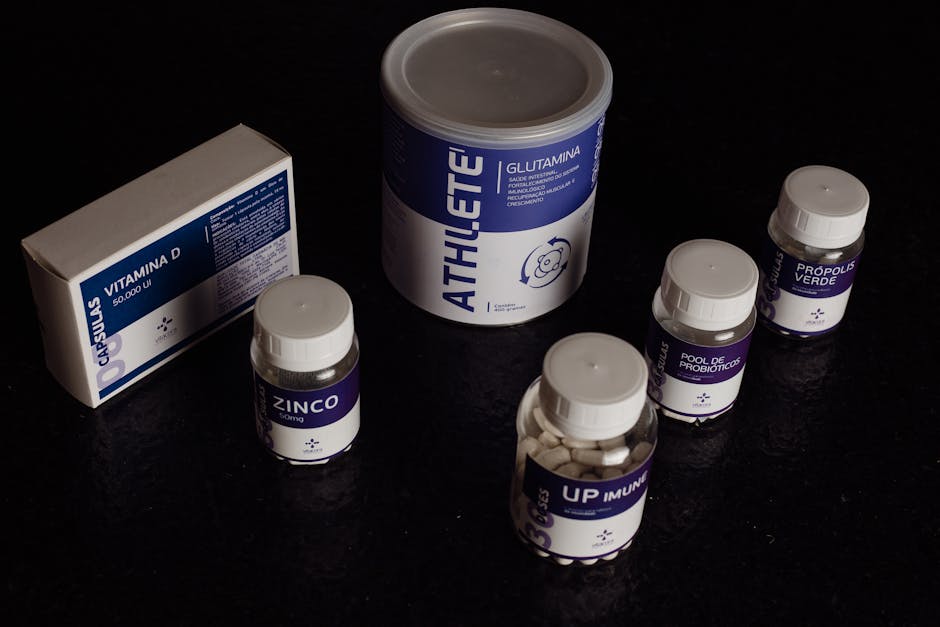
Every sleep pillow became a biohack. Every electrolyte drink. Every meditation app. The word stopped describing *how* you optimized—the experimental rigor, the tracking, the willingness to be wrong—and started just meaning 'health product.'
When everything is a biohack, nothing is. The specificity evaporated.
Then vs. Now
Why This Matters Beyond Semantics
Language shapes thinking. When a word gets stretched to mean everything, it becomes useless as a thinking tool.
The original biohacking ethos had real value: skepticism toward received wisdom, willingness to experiment, comfort with uncertainty. People tracked their own data because they wanted to know if something actually worked for *them*, not because an influencer recommended it.
Now the word mostly signifies: 'This product is sciency and makes you feel like you're taking control.' The experimental rigor got replaced by marketing aesthetics.
When everything is optimized, nothing is. The word lost its power to distinguish between rigorous self-experimentation and branded lifestyle consumption.
Common observation among early quantified-self practitioners
What Actually Replaced It
The real work of optimization never stopped—it just stopped using that word. Scientists at universities continue studying sleep, metabolism, and performance. People still track their own data, though they're less likely to call it biohacking.
Meanwhile, the term migrated upmarket. A 2021 review in Frontiers in Psychology found that most published research using 'biohacking' language lacked rigorous methodology—it was mostly aspirational.
The word became useful primarily as a marketing category, not a practice descriptor.
The Lesson for Wellness Language
Biohacking's arc illustrates a broader pattern: promising wellness terms get commercialized until they're hollow.
'Functional medicine,' 'personalized nutrition,' 'evidence-based wellness'—these started as meaningful distinctions. Now they appear on every third product listing.
The takeaway isn't that these approaches are fraudulent. It's that once a term becomes marketing-friendly, it stops being useful for actual thinking. If you want to understand what actually works, you have to look past the language.
The Word vs. The Practice
Biohacking didn't disappear. The rigorous self-experimentation continues in private spreadsheets, lab results, and personal journals—just without the branding.
But the word itself has moved into the same category as 'natural,' 'holistic,' or 'optimal': too broad to carry real meaning. It became useful to marketers before it was useful to anyone else.
In 2026, if you hear someone call something a biohack, the honest move is to ask what they actually mean—and be prepared for the answer to be vague.