Rethinking Gum and Candy in 2026: Wellness Meets Indulgence
How the confectionery industry is adapting to health-conscious consumers without sacrificing taste.

The confectionery aisle has quietly transformed. Where sugar-heavy options once dominated, brands now offer functional gums, sugar-free candies, and products engineered for oral health.
Consumers in 2026 aren't abandoning sweets—they're asking harder questions about what they're chewing and swallowing. That shift is reshaping how the industry thinks about indulgence.
What does wellness-minded candy actually mean, and which products deliver on their promises?
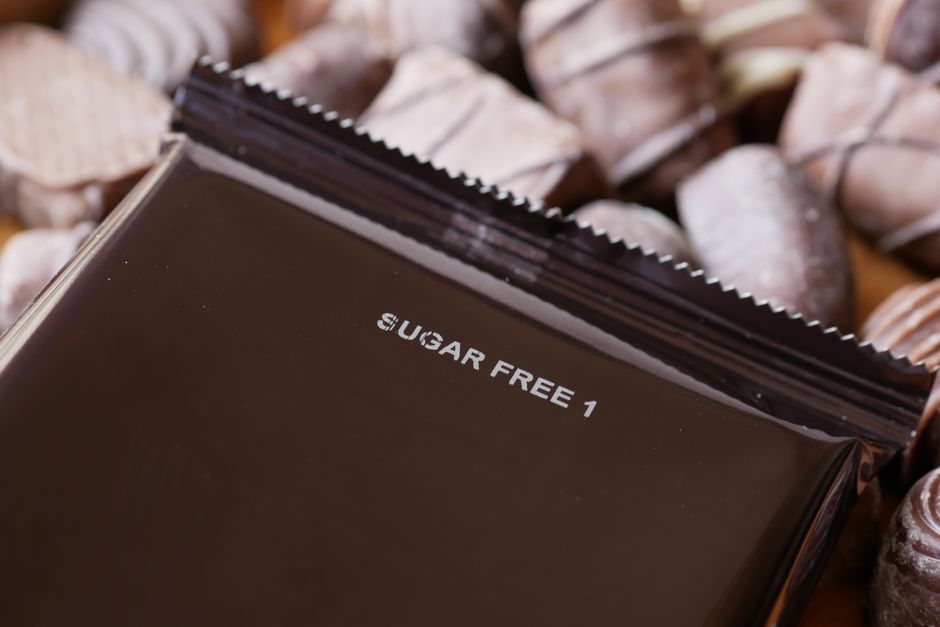
The Sugar-Free Pivot
Sugar-free gum and candy have moved beyond the stale, medicinal reputation they carried for decades.
Modern formulations use stevia, erythritol, and monk fruit to match taste profiles of their sugared counterparts without the crash or cavity risk.
The American Dental Association has long endorsed sugar-free gum as a tool for maintaining oral health—particularly varieties sweetened with xylitol, which actively inhibits cavity-causing bacteria.
The category has grown because the trade-off between taste and health no longer feels binary.
Common Sweetener Choices
Functional Candy Trends
Beyond sugar reduction, confectionery brands are embedding supplements—vitamins, adaptogens, collagen, and probiotics—directly into gums and hard candies.
A piece of Bubblicious marketed today might claim breath-freshening properties or natural flavoring; a decade ago, that claim would have felt misaligned with the category's identity.
Consumers are blending their wellness and snacking habits rather than treating them as separate acts.
The risk: functional claims require scrutiny. Not every added ingredient delivers meaningful benefit at the dosage included.
The Case for and Against Modern Confectionery
Strengths
- Sugar-free options reduce cavity risk and blood-sugar spikes.
- Functional additions (xylitol, vitamins, collagen) address real wellness gaps.
- Taste quality has improved; many consumers cannot distinguish sugar-free versions from full-sugar originals.
- Lower-calorie profiles align with weight-conscious eating patterns.
Trade-offs
- Artificial sweeteners remain debated in nutrition science; long-term safety data varies by ingredient.
- Functional claims can be overstated; a single piece of gum won't meaningfully change your health.
- Habit formation around candy (even sugar-free) can blur the line between treat and daily supplement.
- Cost-per-piece is often 2–3× higher than conventional candy.
What Consumers Should Actually Check
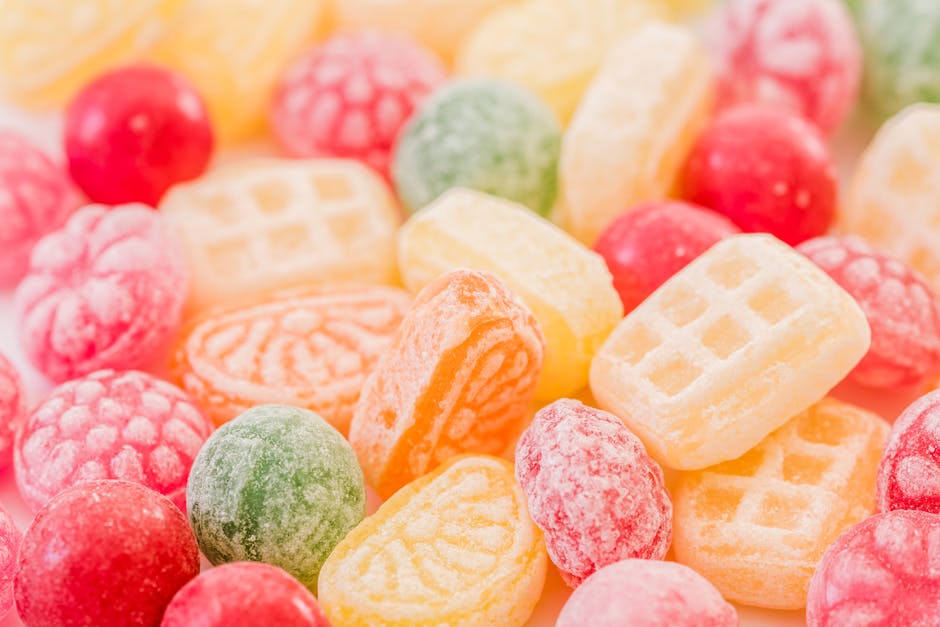
Ingredient lists matter more than marketing claims on the front of the package.
Look for recognizable sweetener names (xylitol, stevia, erythritol) rather than blends of unfamiliar chemicals.
If a product claims breath-freshening or dental benefits, check whether it's earned ADA acceptance—that seal means independent verification, not just brand hope.
Sugar-free doesn't equal guilt-free; portion awareness still applies, especially with functional additions.
Chewing gum can stimulate saliva production, which helps neutralize acids and wash away food particles. Sugar-free gum amplifies this benefit without feeding the bacteria that cause decay. Timing matters—chewing for 20 minutes after a meal, not constantly throughout the day,
is the evidence-backed approach.
The Middle Ground
Wellness and indulgence are no longer opposing forces in confectionery. The category has matured enough to offer real alternatives.
The honest take: sugar-free gum and functional candy are legitimate options for health-conscious consumers, but they work best as occasional treats, not daily supplements or guilt-free passes to unlimited chewing.
In 2026, the question isn't whether to chew or eat candy. It's which version aligns with your actual priorities.