How Specialty Coffee Is Reshaping Wellness Routines in 2026
Beyond the morning jolt—what science and craft are revealing about coffee's role in daily health.
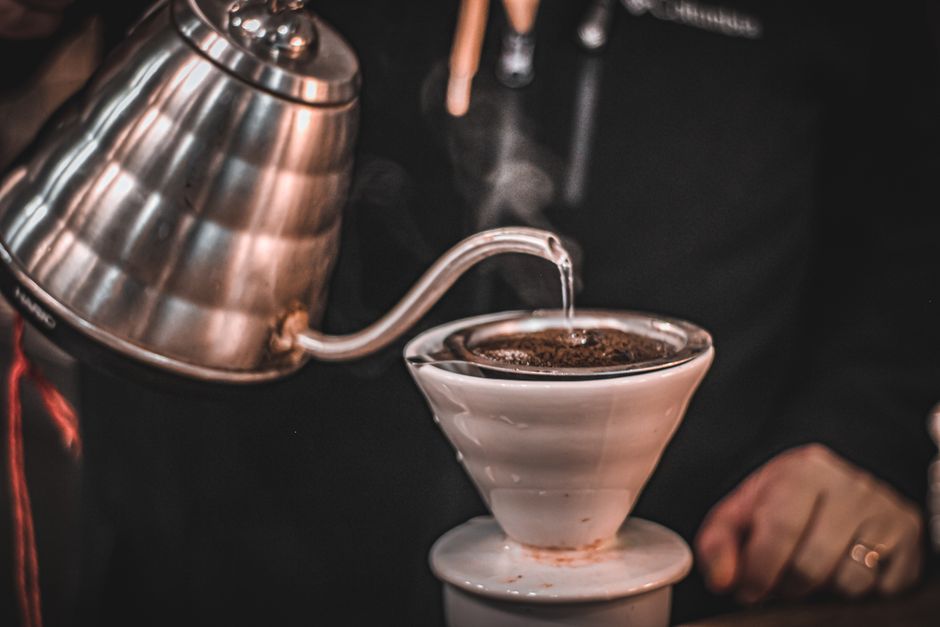
Specialty coffee has quietly become something bigger than a beverage trend. It's woven itself into how people think about wellness—from sourcing practices to the ritual of preparation itself.
The shift reflects a broader change: consumers are asking what they're putting into their bodies, where it comes from, and how it makes them feel. Coffee sits right at that intersection.
The Ritual Factor
Specialty coffee's appeal extends beyond caffeine. The deliberate act of grinding beans, heating water to exact temperatures, and waiting for extraction creates a pause in the day.
That ritual—often missing from instant or mass-market coffee—mirrors wellness practices like meditation or journaling. It's intentional. It's tactile. It asks something of the person making it.
Health-conscious consumers report that this preparation routine, separate from the coffee itself, reduces stress and sharpens morning focus. The practice becomes part of the benefit.

What's Actually in the Cup
Specialty coffee typically refers to beans scoring 80 or higher on a 100-point scale—measured for flavor, acidity, body, and absence of defects.
Unlike commodity-grade coffee, these beans are often single-origin and traceable to specific farms or regions. That transparency matters for wellness-minded consumers who care about pesticide use, altitude, and processing methods.
Research from the National Coffee Association has documented that higher-quality coffee typically contains more beneficial compounds like chlorogenic acid and polyphenols, partly because better farming and storage practices preserve them.
A cup of well-made specialty coffee delivers more than caffeine—it carries micronutrients and flavor compounds that budget alternatives often lose in processing or sitting on shelves for months.
Specialty Coffee by the Numbers
Sourcing and Its Wellness Echo
Specialty coffee culture emphasizes direct relationships between roasters and farmers. That transparency means knowing the origin, harvest date, and growing practices—details that align with how wellness consumers evaluate all their food.
Certifications like Fair Trade and organic matter to this audience. They signal ethical sourcing, reduced chemical exposure, and support for farmer livelihoods. Choosing Greenmountaincoffeeco or similar specialty brands often means buying from roasters with published sourcing standards.
This shift toward traceability and ethical sourcing taps into a broader wellness principle: understanding what you consume and why it's good for you—and your community.

Specialty Coffee's Trade-Offs
Strengths
- Higher quality beans retain more antioxidants and beneficial compounds
- Ritual and preparation foster mindfulness and intentional habit-building
- Transparent sourcing aligns with ethical and health-conscious values
- Fresher product means better flavor and fresher chemistry
- Single-origin traceability enables informed choices about pesticide use and farming practices
Trade-offs
- Premium pricing limits accessibility for budget-conscious households
- Requires equipment investment (grinder, pour-over dripper, etc.) for optimal preparation
- Learning curve steeper than automatic drip brewing
- Storage and freshness windows are narrower—requires faster consumption
- Not all specialty roasters are equally transparent about sourcing or processing
The Science Behind Timing
When specialty coffee enters a wellness routine matters. Morning coffee does boost alertness and metabolism, but timing affects sleep and stress response.
Wellness experts suggest stopping caffeine intake by early afternoon to protect sleep quality. Specialty coffee's flavor complexity also encourages slower sipping—reducing the crash that comes from gulping commodity coffee quickly.
The International Coffee Organization notes that brewing method affects caffeine extraction and composition; pour-over and French press yield different profiles. Specialty-minded drinkers can fine-tune their dose through preparation technique.
Specialty coffee transforms consumption from automatic habit into a deliberate ritual—and that shift in consciousness often ripples into other wellness choices.
The Bigger Picture
Specialty coffee's rise isn't just about flavor or caffeine quality. It reflects how wellness culture now touches everyday choices—from sourcing and ritual to chemistry and timing.
For people building intentional routines, specialty coffee offers tangible entry points: a grinder on the counter, a farm name on the bag, a three-minute pour ritual. Small practices that compound into something larger.
The trend invites a simple question: What are you actually consuming, and does it serve your health? That inquiry applies to coffee as much as anything else.