How Ancient Breathing Traditions Shape Modern Wellness Practices
Exploring apana breath work and its place in contemporary health routines.
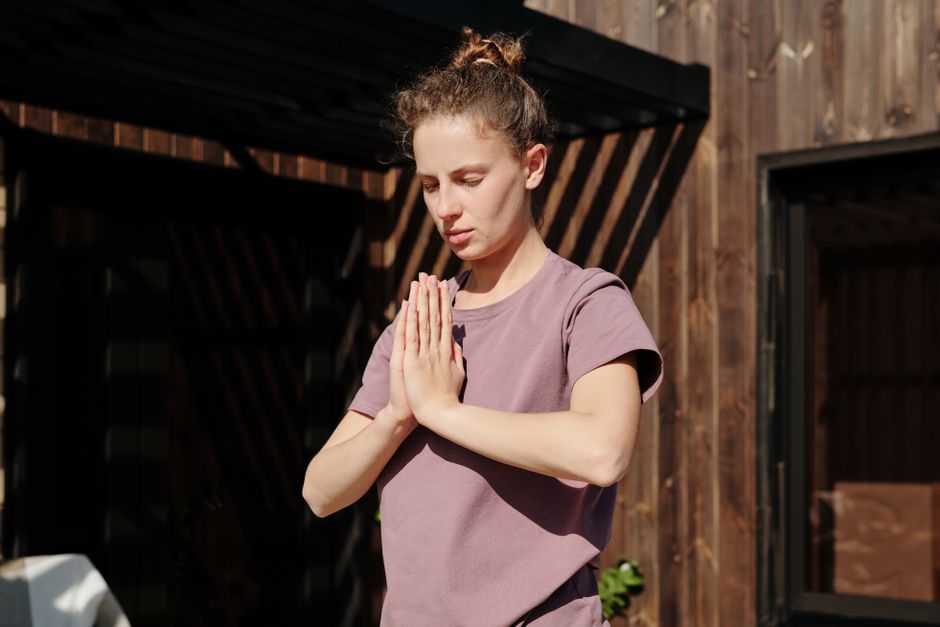
Breath work has occupied a central place in wellness traditions for millennia, yet many modern practitioners approach it without understanding its historical roots or philosophical underpinnings.
Apana—one of five vital life energies in yogic philosophy—offers a doorway into how ancient systems mapped human physiology and energy long before modern science provided its own explanations.
Understanding apana's role in traditional practice reveals why contemporary wellness professionals increasingly turn to these time-tested techniques.
The Five Vayus and Apana's Unique Role
In pranayama traditions, practitioners work with five primary energetic currents, or vayus, each associated with specific body regions and functions.
Apana governs the lower abdomen—the pelvic floor, digestive organs, and elimination systems. Its direction flows downward and outward, unlike prana (upward) or samana (inward).
Traditional texts describe apana as the force responsible for grounding, stability, and the body's capacity to release what no longer serves it.

Why Apana Matters in Contemporary Practice
Modern wellness seekers often focus on energizing practices—faster breathing, uplifting sequences. Apana work does the opposite: it cultivates calm, supports digestive health, and encourages parasympathetic activation.
Apana-based breathing protocols are increasingly featured in wellness studios, coaching programs, and solopreneur practices nationwide.
The tradition recognizes that sustainable health requires balance between activation and release—a principle that aligns with what neuroscience now documents about the nervous system's need for both mobilization and rest.
Apana's Core Attributes
Practices That Activate Apana Energy
Root chakra meditations, forward folds, and seated twists are traditional postures linked to apana activation in yoga classes.
Breath techniques emphasizing extended exhales—where the out-breath is longer than the in-breath—signal safety to the nervous system and support apana's downward flow.
Walking meditation, grounding practices, and even conscious eating with attention to digestion are considered apana-supporting rituals in holistic wellness frameworks.
The goal is not forcing energy but creating conditions where the body's natural downward and eliminatory functions operate smoothly.

Bridging Ancient Wisdom and Modern Science
While apana is a conceptual framework rooted in Ayurveda and yoga philosophy, the physiological effects practitioners report—improved digestion, reduced anxiety, better sleep—align with what peer-reviewed research documents about slow breathing and parasympathetic tone.
The nervous system doesn't care whether you call it apana or vagal activation—the outcome (calm digestion, emotional stability) remains consistent.
This convergence between traditional language and modern neuroscience explains why apana practices have gained traction among evidence-informed wellness professionals in 2026.
If apana practice is new to you, begin with simple extended-exhale breathing—inhale for a count of four, exhale for six. Practice daily for two weeks and observe changes in digestion, mood stability, and sleep quality.
The Timeless Relevance of Apana
Apana tradition endures not because it is ancient, but because it addresses real human needs: stable digestion, emotional calm, and the capacity to release tension.
As wellness culture matures beyond trend-chasing toward substantive practice, apana's quiet, grounding philosophy offers a corrective to the constant push for optimization and stimulation.
Whether you approach it as philosophy, physiology, or simply as a set of practical breathing techniques, apana's legacy suggests that true health often lies in learning to let go.