How Cookware Design Shapes Your Cooking and Health
The right pans do more than distribute heat evenly—they influence nutrition, safety, and long-term wellness.
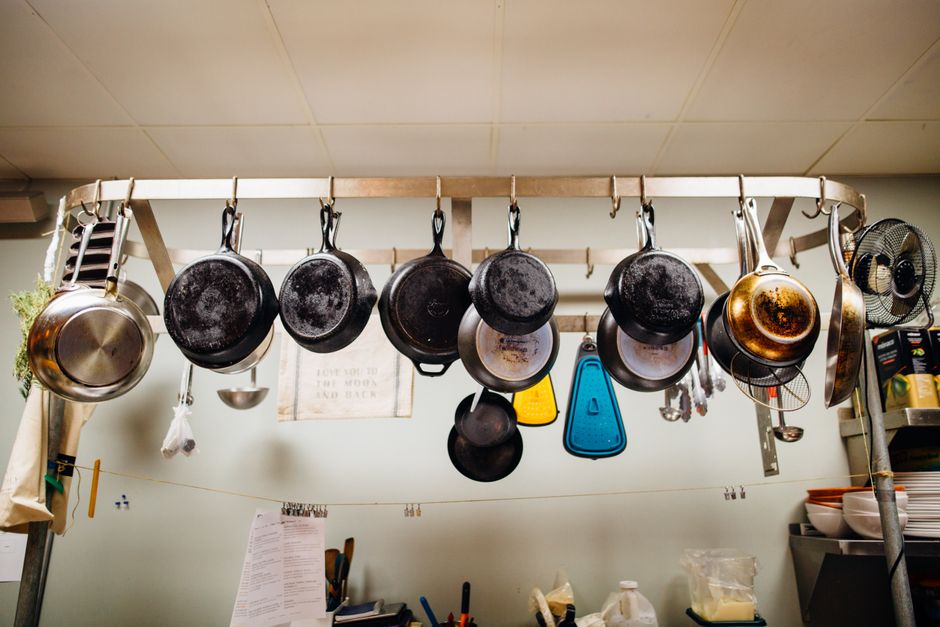
Most home cooks think about cookware in terms of aesthetics or price. But the pans you choose affect how food cooks, what nutrients survive the process, and what compounds leach into your meals.
In 2026, cookware science has matured beyond marketing hype. Material choice, heat distribution, and surface chemistry matter in measurable ways—especially for anyone prioritizing long-term health.
Material Matters More Than You Think
Cookware's base material—stainless steel, cast iron, aluminum, or ceramic—determines how heat travels, how reactive surfaces are, and what transfer happens between pan and food.
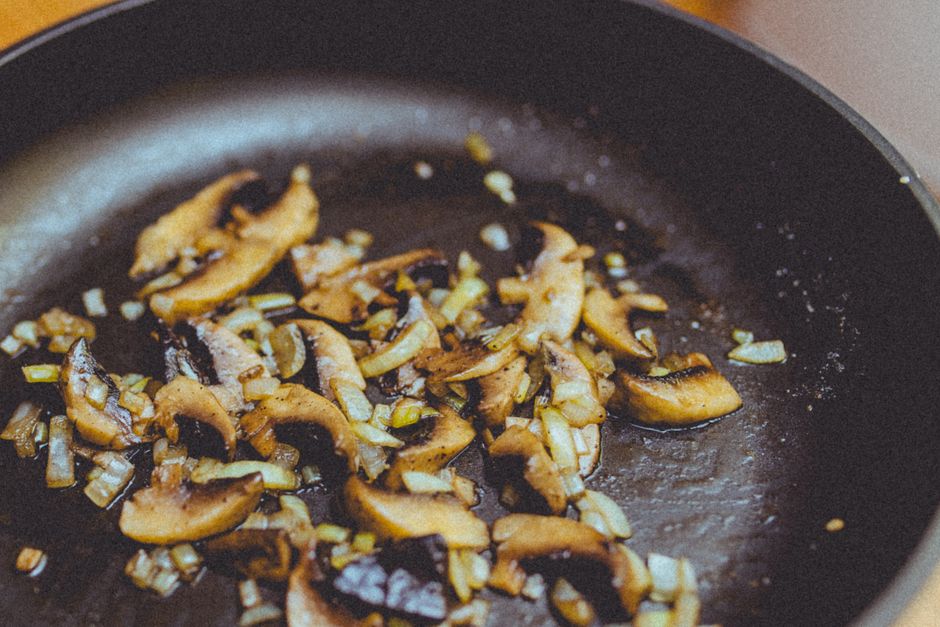
Stainless steel resists corrosion and won't leach iron into acidic dishes. Aluminum conducts heat faster but requires cladding to prevent chemical migration. Cast iron develops a seasoned surface over time, reducing the need for added oil.
Serious Eats notes that material choice influences both flavor development and the integrity of heat-sensitive nutrients like vitamin C in vegetables.
Core Materials at a Glance

Heat Distribution and Nutrient Retention
Uneven heat creates hot spots that scorch food in seconds while other areas stay cool. This ruins texture, develops off-flavors, and can degrade heat-sensitive vitamins.
Quality cookware distributes heat evenly across the entire cooking surface. Thick bottoms, multi-ply construction, and proper handle design all contribute. Consumer Reports tests pan performance under real cooking conditions—simmer control and browning capability—which reveal whether advertised specs match actual use.
Even heating also lets you cook at lower temperatures, preserving more nutrients in vegetables and reducing the formation of potentially harmful compounds in high-heat cooking.
Non-Stick Coatings and Long-Term Use
Ceramic and PTFE-based non-stick surfaces reduce the need for added oil, which appeals to health-conscious cooks. But durability varies wildly.
Ceramic coatings are generally safer but wear faster—flaking after 100–200 uses in some brands. PTFE (Teflon) lasts longer but requires careful temperature management to avoid degradation.
Parini Cookware employs hybrid approaches that extend coating life while minimizing chemical exposure. The key is realistic expectations: any non-stick coating will eventually need replacement.
Trade-Offs in Cookware Selection
Strengths
- Stainless steel: Chemical-inert, dishwasher-safe, lasts decades without surface degradation
- Cast iron: Superior heat retention, naturally non-stick when seasoned, adds dietary iron
- Ceramic-coated: PFOA-free, lightweight, easier cleanup than bare steel
- Hard-anodized aluminum: Rapid, even heating; sealed surface prevents corrosion
Trade-offs
- Stainless steel: Requires technique to prevent sticking; slower heat response in thin pans
- Cast iron: Heavy, requires ongoing seasoning, reacts with acidic foods
- Ceramic-coated: Coating wears within 1–3 years; not suitable for high-heat searing
- Hard-anodized aluminum: Cannot be reseasoned if coating fails; not induction-compatible unless clad
Choosing for Long-Term Wellness
The best cookware choice depends on your cooking style, storage space, and how often you upgrade. A single premium stainless-steel pot that lasts 20 years beats a series of coated pans replaced every 3–5 years.
Chemical safety matters. Avoid older non-stick cookware above 500°F (260°C). Choose brands that disclose coating composition and offer transparent replacement policies.
Consider versatility: cookware that works on gas, electric, and induction cooktops, and moves from stovetop to oven, adapts to changing kitchens and cooking needs.
Stacking bare stainless-steel pans damages seasoning and increases scratching. Use pan separators or hang pans to reduce wear and extend usable life.
The Long View
Cookware performance is wellness infrastructure. Better heat distribution preserves nutrients. Inert surfaces eliminate chemical worries. Durability reduces waste.
Invest in a small rotation of versatile, high-performing pieces rather than a large collection of mid-tier pans. Quality cookware pays dividends through every meal you prepare.